By Tom Sanders, CEO of Aton Health
For years, progress in specialty care has been defined by what we can find. Better diagnostics. Earlier screening. More precise ways of identifying risk. And by that measure, we’ve made extraordinary progress. But across specialties, a quieter pattern is starting to emerge, one that doesn’t show up in clinical trial results or product announcements.
We’re getting better at detection. We’re not getting better at what happens next.
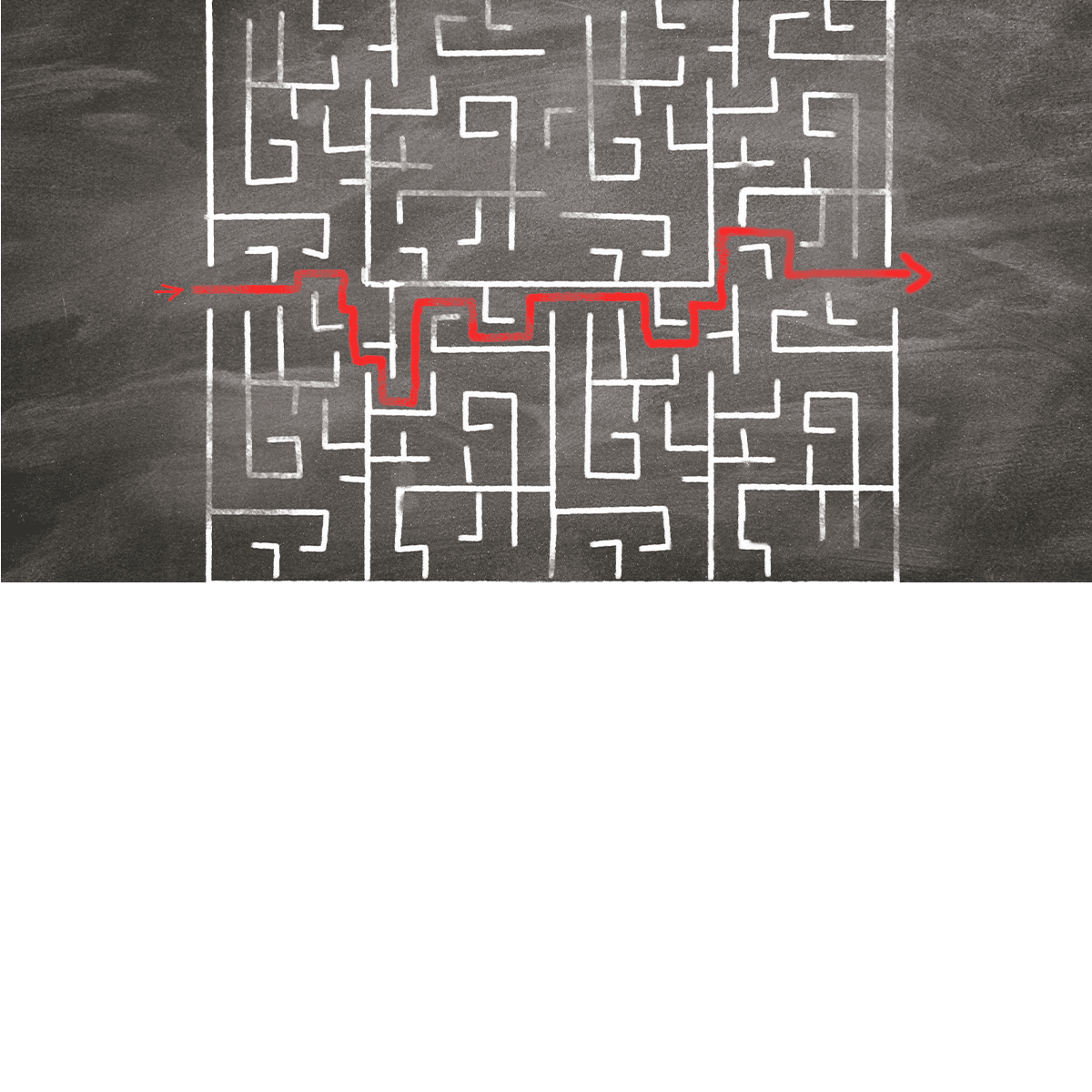
Spend time inside real clinical environments and the gap becomes hard to ignore. Patients who are identified as high-risk don’t always complete the journey to diagnosis. Important signals exist in the data, but they aren’t surfaced in ways that change decisions in the moment. Care pathways, while well-intentioned, break down in the space between insight and action.
None of this is due to a lack of effort. It’s the result of a system that wasn’t designed for the level of complexity we’re now asking it to handle.
The assumption for a long time has been that better clinical tools would naturally lead to better outcomes. But that assumption depends on something that often doesn’t exist: a way to consistently connect insight to action, inside the reality of how care is actually delivered. What’s missing isn’t more information. It’s the ability to orchestrate what happens after that information appears.
You can see early versions of this across multiple specialties. In oncology, new detection methods are bringing more patients into the system, but often without a clear or consistent path forward. In cardiology, large networks have scale and data, but struggle to activate that data in ways that change outcomes in real time. In urology and other fields, research and clinical care continue to run on parallel tracks, rarely intersecting in a way that benefits both.
Each specialty has its own nuances. But underneath, the pattern is consistent: more signal, more complexity, and no reliable way to act on either. Which is why the next meaningful advance in specialty care is unlikely to come from another test or another dataset. It will come from how care is actually organized and how patients, data, and decisions are connected in practice.
That shift is less about adding new tools and more about building the infrastructure that allows existing ones to work together. It requires operating within clinical workflows rather than around them, aligning with how clinicians actually make decisions, and making real-world data usable in the moments that matter. In other words, it’s an operational problem that has clinical consequences.
As detection continues to improve, the cost of not solving this becomes more visible. More patients identified but not treated. More data captured but not used. More opportunity that never quite translates into impact. The next break in specialty care won’t be defined by what we can detect. It will be defined by what we can do about it. And that’s a conversation that’s only just beginning.